
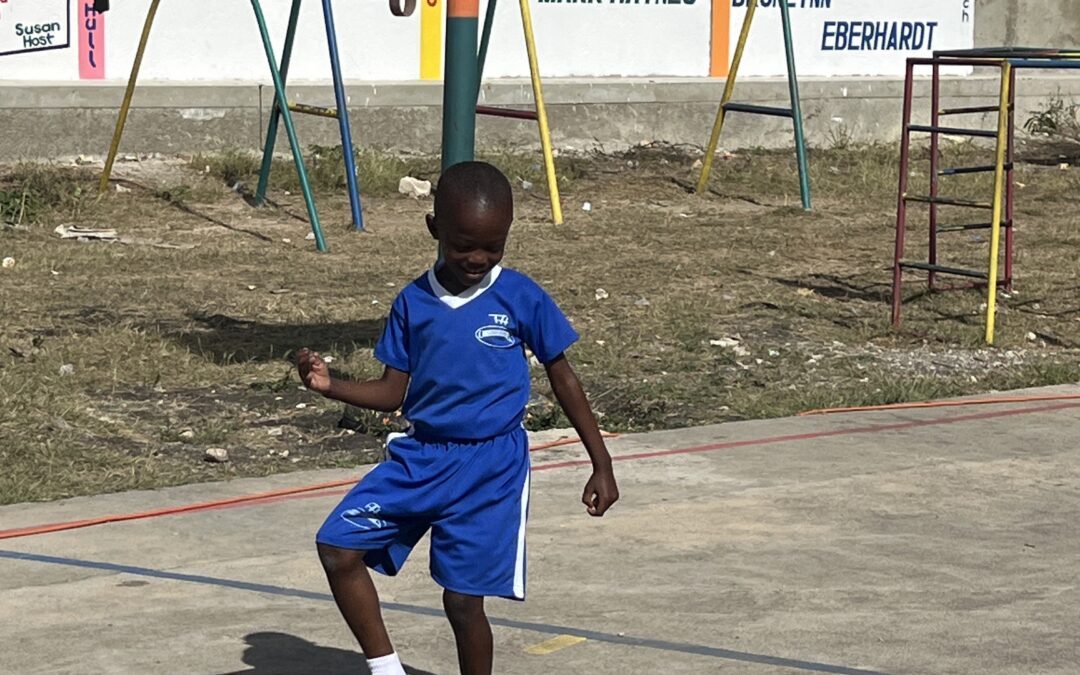
For the first time in generations, hope is rising again across Haiti through the game the world loves most: football.
As Haiti fights its way through World Cup qualifying, an entire nation is paying attention. Streets fill with celebration after every victory. Children wear the names of their favorite Haitian players across their backs. Radios blast match commentary through neighborhoods, markets, and mountainsides. For many Haitians, this is about far more than soccer.
It is about identity. Pride. Possibility. And the belief that Haiti still has a future worth fighting for.
The Last Time Haiti Reached the FIFA World Cup
The last — and only — time Haiti qualified for the FIFA World Cup was in 1974 in West Germany.
That historic Haitian team shocked the football world. Haiti became the first Caribbean nation ever to qualify for the World Cup through CONCACAF competition. Even more impressively, Haitian player Emmanuel Sanon scored against Italy, ending legendary goalkeeper Dino Zoff’s clean-sheet streak that had lasted more than 1,100 minutes.
To this day, Sanon remains a national hero in Haiti.
Although Haiti did not advance beyond the group stage, the impact of that moment reached far beyond the field. For a small Caribbean nation often overlooked internationally, Haiti’s World Cup appearance proved that Haitian athletes, Haitian talent, and Haitian determination belonged on the world stage.
Now, over 50 years later, a new generation is chasing that same dream.
Haiti’s Journey Through World Cup Qualifying
The Haitian national football team has been steadily building momentum in recent years. Players like Duckens Nazon, Frantzdy Pierrot, Fafà Picault, and others have become symbols of resilience and national pride for Haitians around the world.
For many fans, simply seeing Haiti compete at this level again is emotional.
Every qualifying match carries enormous weight. Every goal feels personal. Every win reminds the world that Haiti is still standing.
World Cup qualifying is not easy in the CONCACAF region. Haiti competes against countries with larger budgets, stronger infrastructure, and more resources. Yet Haiti continues to rise through grit, discipline, and heart.
And for Haitian children watching from classrooms, villages, and crowded city streets, these players are becoming living proof that greatness can come from Haiti.
What This Means for Kids in Haiti
In Haiti, soccer is everywhere.
Children play barefoot in dusty fields. They use rocks as goalposts. They gather around phones and televisions to watch international matches whenever they can. Football is woven deeply into Haitian culture.
But for many children, opportunities remain limited.
That is why moments like World Cup qualifying matter so deeply.
When Haitian children see players from neighborhoods like theirs competing internationally, it changes the way they view themselves. Representation creates belief. It tells a generation of young people:
“You are capable of more than the world expects from you.”
Sports can become a doorway to education, leadership, discipline, teamwork, and hope. For some children, football becomes motivation to stay in school. For others, it becomes a source of joy during difficult seasons.
At organizations like Teach Haiti, we see firsthand how important hope is to a child’s future.
A child who believes they have value begins to dream differently.
A child who sees successful Haitian role models begins imagining a future for themselves.
And when an entire nation rallies together around something positive, children feel that too.
More Than a Game: What the World Cup Means for Haiti
Too often, Haiti only appears in international headlines during times of crisis.
But the story of Haiti is far bigger than tragedy.
Haiti is creativity.
Haiti is resilience.
Haiti is culture.
Haiti is faith.
Haiti is strength.
The World Cup gives Haiti an opportunity to be seen through a different lens — not through disaster, but through determination and excellence.
For Haitians living abroad, qualifying matches become moments of connection to home. Families gather together wearing blue and red jerseys. Haitian flags wave proudly across cities around the world. Social media fills with celebration and encouragement.
For those inside Haiti, the national team becomes a reminder that unity is still possible.
In many ways, football becomes one of the few things capable of bringing together people from every background, region, and generation.
Why This Matters Right Now
The timing of Haiti’s World Cup journey matters.
The nation has endured extraordinary challenges in recent years, including political instability, economic hardship, insecurity, and displacement. Many young people are growing up surrounded by uncertainty.
That is why moments of national pride matter more than ever.
Hope matters.
Representation matters.
Dreams matter.
When Haitian athletes walk onto an international field carrying their nation’s flag, they carry more than a team. They carry the hopes of millions.
And regardless of what happens next in qualifying, Haiti’s presence on the global football stage is already inspiring a new generation.
The Future of Haiti Starts With the Next Generation
At Teach Haiti, we believe transformation begins with children.
Education, mentorship, leadership development, nutrition, spiritual growth, and opportunity all play a role in restoring a nation.
That is why moments like Haiti’s World Cup run are so powerful. They remind young people that their identity is not defined by limitation.
The next generation of Haiti is filled with leaders, creators, teachers, entrepreneurs, pastors, engineers, artists — and yes, maybe even future World Cup players.
The world may see a soccer team.
But Haiti sees something more:
A reason to hope again.